-3148x1648.webp "Pirktukas.lt – small name, big purchases")








asddas-100x100h.webp "Lithuania")




Agrotextile
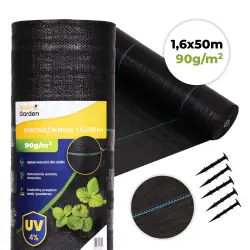

-28 %
Brand: MultiGarden
.row { display: flex; align-items: flex-start; justify-content: space-between; gap: 24px; margin-bottom: 40px; flex-wrap: wrap; } .text { flex: 1 1 60%; min-width: 280px; } .img { flex: 0 1 28%; min-width: 220px; text-align: center; } .img img { width: 100%; max-width: 220px; /* about 70% smaller..
42.26€ 58.75€
Ex Tax:42.26€
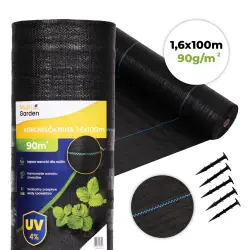

-18 %
Brand: MultiGarden
.row { display: flex; align-items: flex-start; justify-content: space-between; gap: 24px; margin-bottom: 40px; flex-wrap: wrap; } .text { flex: 1 1 60%; min-width: 280px; } .img { flex: 0 1 28%; min-width: 220px; text-align: center; } .img img { width: 100%; max-width: 220px; /* approximately 70%..
75.76€ 92.56€
Ex Tax:75.76€

-22 %
Brand: MultiGarden
.row { display: flex; align-items: flex-start; justify-content: space-between; gap: 24px; margin-bottom: 40px; flex-wrap: wrap; } .text { flex: 1 1 60%; min-width: 280px; } .img { flex: 0 1 28%; min-width: 220px; text-align: center; } .img img { width: 100%; max-width: 220px; /* approximately 70%..
65.45€ 84.11€
Ex Tax:65.45€
-34 %
Brand: MultiGarden
.row { display: flex; align-items: flex-start; justify-content: space-between; gap: 24px; margin-bottom: 40px; flex-wrap: wrap; } .text { flex: 1 1 60%; min-width: 280px; } .img { flex: 0 1 28%; min-width: 220px; text-align: center; } .img img { width: 100%; max-width: 220px; /* approximately 70%..
9.13€ 13.75€
Ex Tax:9.13€

-25 %
Brand: MultiGarden
.row { display: flex; align-items: flex-start; justify-content: space-between; gap: 24px; margin-bottom: 40px; flex-wrap: wrap; } .text { flex: 1 1 60%; min-width: 280px; } .img { flex: 0 1 28%; min-width: 220px; text-align: center; } .img img { width: 100%; max-width: 220px; /* about 70% smaller..
34.53€ 46.06€
Ex Tax:34.53€
Showing 1 to 5 of 5 (1 Pages)